Portugal at a Slower Pace: Lisbon, Sintra, and the Douro Valley

Ensemble Editorial

Portugal rewards travelers who resist the urge to rush. Distances are manageable, trains are comfortable, and each region has a distinct rhythm. This ten-day route moves from Lisbon to Porto with thoughtful pauses in Sintra and the Douro Valley, leaving enough open time for long lunches, unexpected viewpoints, and the small discoveries that make a trip memorable.
Begin with Lisbon’s Hills and Neighborhoods
Spend at least three nights in Lisbon. On the first morning, walk rather than plan: start near the river in Baixa, climb through the lanes of Alfama, and pause at a miradouro when the rooftops open toward the Tagus. The city’s steep streets can be demanding, so alternate walking with trams, funiculars, and unhurried café stops.
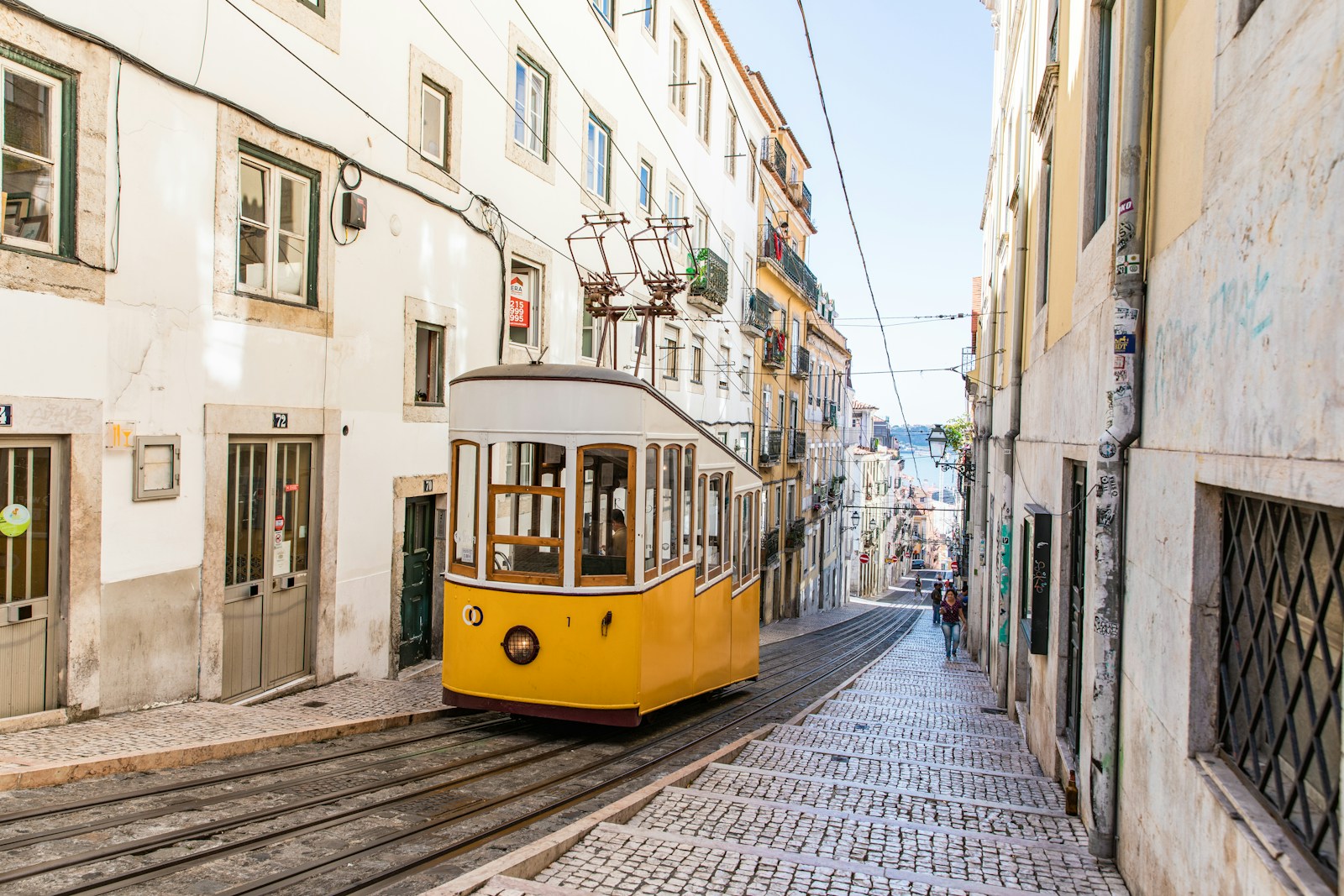
Use the second day for Belém’s riverside monuments and contemporary museums, then return to the center for dinner in Príncipe Real or Estrela. Reserve one evening for live fado, choosing a smaller venue where the performance is the focus rather than an elaborate dinner package.
Give Sintra a Full Day
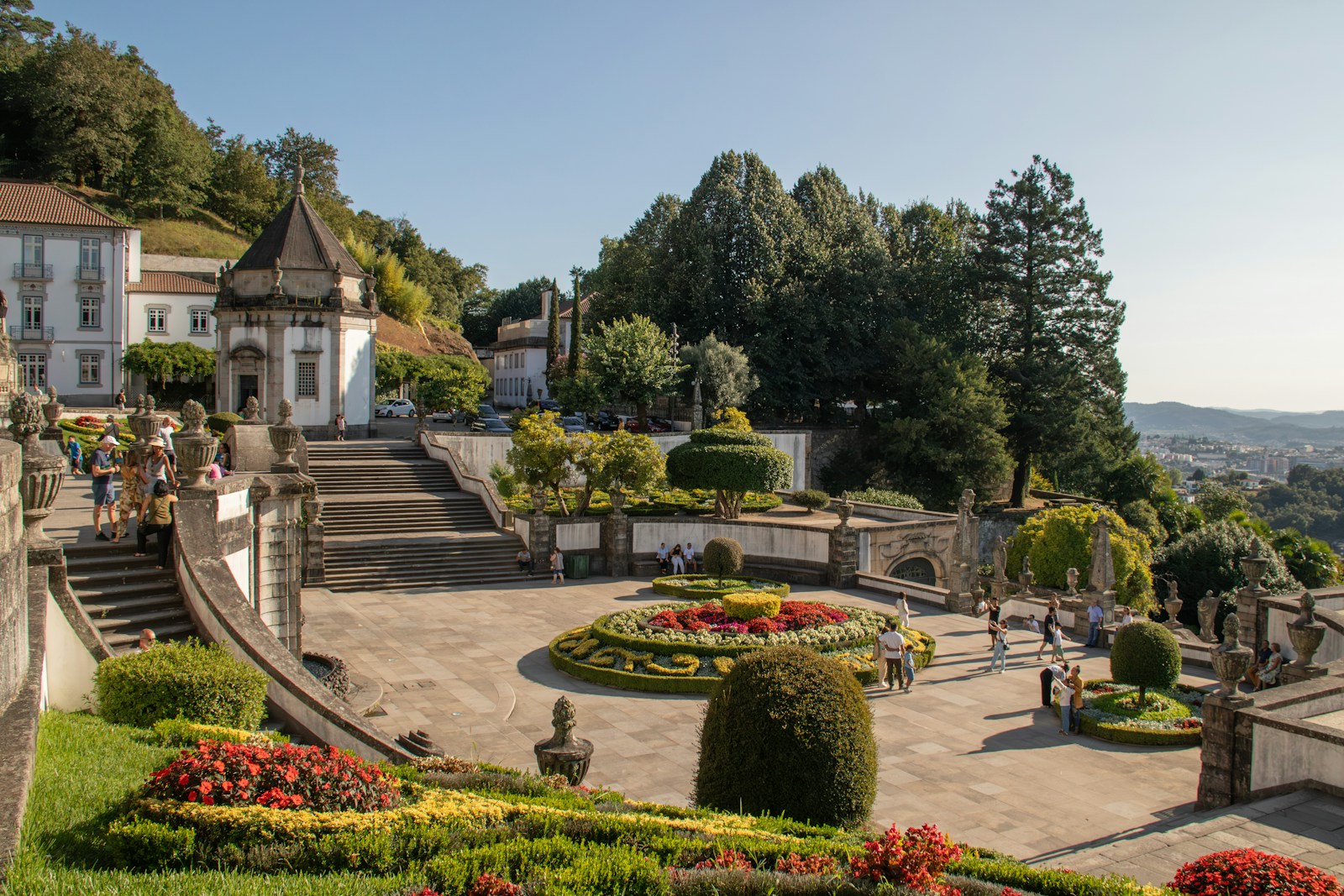
Sintra is an easy train ride from Lisbon, but its palaces and gardens are spread across steep, forested hills. Choose two major sites rather than trying to collect them all. Pair one palace with time in the historic center, and book timed admission early enough to avoid the busiest part of the afternoon.
A practical pacing tip
Wear shoes with reliable grip, carry a light layer for the cooler hilltop weather, and allow extra time between reservations. Sintra feels best when the gardens and views are treated as part of the experience rather than as transit between monuments.
Continue North to Porto
The train from Lisbon to Porto takes roughly three hours and delivers you close to the historic center. Stay for three nights if possible. Explore Ribeira early in the morning, cross the Dom Luís I Bridge on foot, and visit a port lodge in Vila Nova de Gaia later in the day when the riverfront begins to glow.
Beyond the landmarks, Porto’s appeal lies in its everyday texture: tiled façades, narrow grocery shops, contemporary galleries, and restaurants that balance tradition with a younger creative energy. Leave one afternoon unscheduled for neighborhoods such as Cedofeita and Foz do Douro.
Slow Down Again in the Douro Valley
A day trip offers a glimpse of the Douro, but an overnight stay changes the experience. Once the day visitors leave, the valley becomes quiet and atmospheric. Travel by train or private transfer, visit one or two wineries, and make time for a terrace lunch overlooking the river.
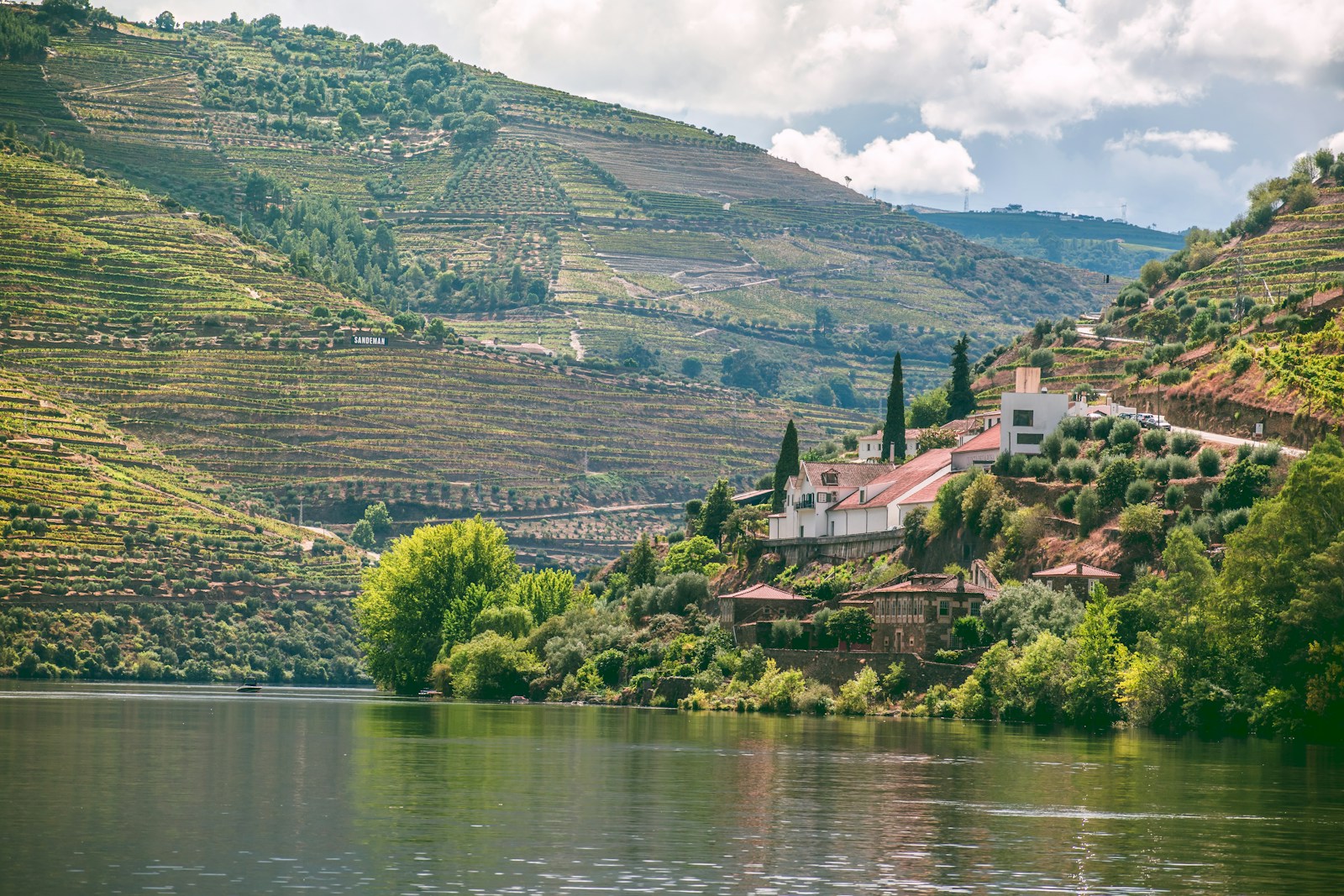
Spring brings green terraces and mild walking weather, while September is animated by harvest activity. Summer can be intensely hot, so build the day around mornings, shaded lunches, and late-afternoon tastings.
Planning Notes for a More Comfortable Trip
Travel in April, May, late September, or October for comfortable temperatures and fewer crowds.
Book intercity trains in advance, but keep portions of each day open for spontaneous stops.
Choose centrally located hotels when possible; Portugal’s hills make convenience especially valuable.
Reserve essential experiences, then protect enough unscheduled time to enjoy the country’s natural pace.
The best version of this itinerary is not the one with the most stops. It is the one that leaves space to return to a favorite café, linger over a view, and arrive home with a sense of Portugal’s rhythm rather than only a list of places visited.
Plan a Portugal journey with room to wander
Connect with an Ensemble travel advisor to shape a route around your pace, interests, and preferred places to stay.
Start planning